6 Countries Where Your Dollar Goes 10x Further Than Europe
Picture this: you're sitting in a Parisian café, staring at a €14 charge for a basic croque monsieur and coffee, mentally calculating how that translates to your home currency. Meanwhile, halfway across the world, travelers are feasting on incredible street food for pocket change, sleeping in comfortable accommodations for the price of a European espresso, and exploring ancient wonders without breaking the bank.
While Europeans pay $15 for a basic lunch, there are countries where that same amount covers your accommodation, meals, and entertainment for an entire day. We're not talking about sacrificing quality for savings – many of these destinations offer experiences that rival or exceed what you'll find in pricier European hotspots.
The secret? Strategic destination selection. These six countries prove that unforgettable travel experiences don't require a trust fund. From ancient temples to pristine beaches, bustling markets to serene landscapes, your dollar stretches so far in these places that your biggest challenge won't be affording the trip – it'll be choosing between all the incredible options within your budget.
1. India

India isn't just budget-friendly – it's budget-revolutionary. While London tube riders shell out $15 for a day pass, that same money in India buys you a cross-country train journey spanning multiple states. Street food vendors serve up incredibly flavorful dishes for $0.50, from spicy samosas to creamy butter chicken that would cost $20+ in European Indian restaurants.
Accommodation options are equally mind-blowing. Clean hostels with Wi-Fi and hot showers run just $3 per night, while private rooms in guesthouses rarely exceed $10. Even mid-range hotels with pools and room service often cost less than European hostel beds.
Transportation costs practically disappear from your budget. Auto-rickshaw rides across town cost under $2, local buses charge pennies, and domestic flights between major cities often run cheaper than European train tickets. The extensive railway network connects the entire subcontinent for remarkably low prices – a 12-hour journey in air-conditioned comfort typically costs $15-25.
Food adventures await at every corner. Restaurant meals with multiple courses, fresh naan, and unlimited rice refills average $2-4. Even upscale restaurants in major cities rarely charge more than $10 per person for elaborate spreads that would cost $50+ in Europe.
Pro tip: Download offline translation apps and learn basic Hindi numbers. Knowing "kitna paisa" (how much money) helps with negotiations, and most vendors appreciate the effort.
2. Cambodia

Cambodia delivers world-class experiences at developing-world prices. The crown jewel, Angkor Wat, charges just $37 for a three-day temple pass – less than many European museum entries – while covering one of humanity's most spectacular archaeological sites.
Daily living costs hover around $20 total. Comfortable guesthouses with air conditioning cost $8-12 per night, while hostels run $4-6. Local restaurants serve steaming bowls of authentic pho for $1.50-2, and even tourist-oriented establishments rarely exceed $5 per meal. Fresh tropical fruits from street vendors cost pennies, and local markets offer incredible variety for budget-conscious travelers.
Transportation remains incredibly affordable. Tuk-tuk rides around town cost $1-3, while longer journeys between cities on comfortable buses run $5-10. Motorcycle rentals for exploring remote temples cost just $5 per day, including fuel for most day trips.
The country's tragic history adds depth to budget travel. The Killing Fields and S-21 Prison offer sobering educational experiences for minimal entry fees. Traditional dance performances, cooking classes, and cultural workshops typically cost $10-15 – less than European coffee and pastry combinations.
Siem Reap's famous Pub Street offers surprisingly affordable nightlife, with local beers costing $1-2 and cocktails rarely exceeding $4. Even upscale rooftop bars with temple views charge European café prices for premium experiences.
Pro tip: Visit temples early morning (6 AM) to avoid crowds and heat. Many guesthouses provide free bicycles – perfect for exploring Siem Reap's temple circuit without tuk-tuk costs.
3. Egypt

Egypt transforms your travel budget into a time machine. While European museums charge $20+ for glimpses of Egyptian artifacts, here you explore actual pyramids, tombs, and temples for $5-10 entry fees. The Great Pyramid of Giza costs just $15 to enter – less than most European attraction tickets.
Accommodation costs plummet compared to European standards. Cairo hostels offer Nile views for $5-8 per night, while budget hotels with breakfast included rarely exceed $15. Even traditional riad-style accommodations in Islamic Cairo cost less than European hostel beds.
Food becomes an adventure rather than an expense. Authentic falafel wraps from street vendors cost $0.50-1, while sit-down restaurant meals with multiple courses average $3-5. Fresh juice stands offer exotic combinations for under $1, and traditional tea houses provide cultural immersion for pennies.
Nile cruises – the stuff of luxury travel dreams – cost $30-50 per day including accommodation, meals, and guided tours. Compare this to European river cruises charging $200+ daily. Domestic flights between Cairo, Luxor, and Aswan often cost less than European train tickets.
Local transportation keeps costs minimal. Metro rides in Cairo cost $0.30, while taxi rides across the city rarely exceed $3. Felucca sailboat rides on the Nile cost $5-10 for sunset tours that would be premium experiences elsewhere.
The Red Sea coast offers world-class diving at fraction of European costs. Full-day diving trips with equipment and lunch cost $25-35, while diving certification courses run $200-300 versus $500+ in Europe.
Pro tip: Learn basic Arabic greetings and always carry small bills. Tipping culture is important but amounts are tiny – $0.50-1 tips are appreciated and appropriate for most services.
4. Indonesia
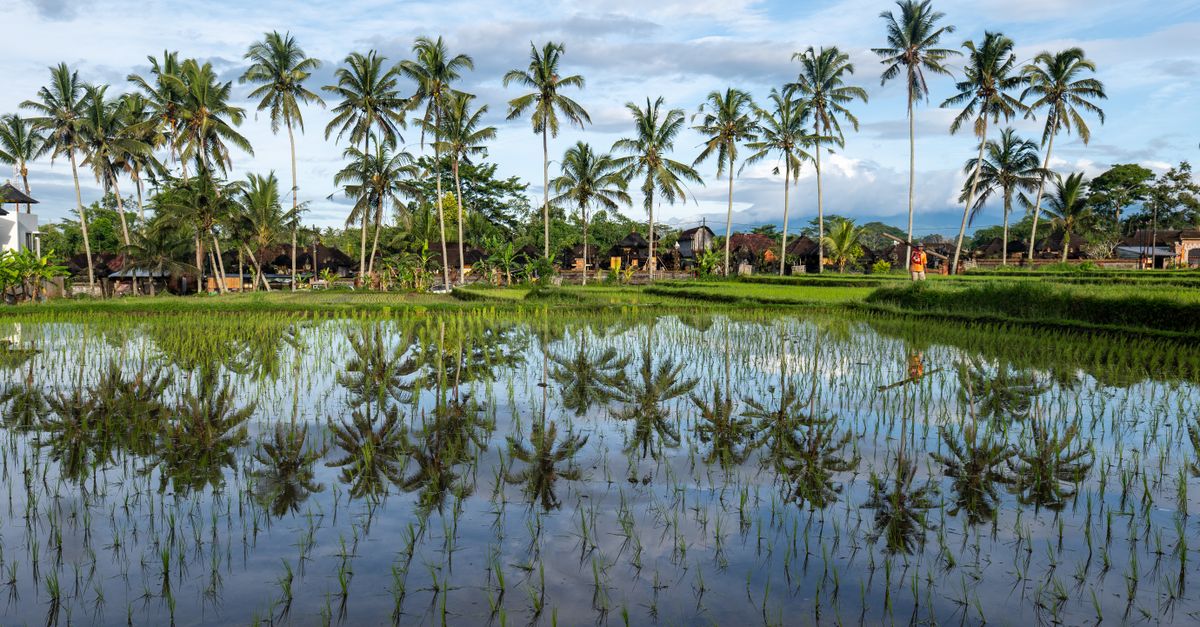
Indonesia proves that paradise doesn't require premium pricing. While Bali attracts crowds, Java offers equally stunning experiences at lower costs. Temple complexes like Borobudur charge $25 entry – significant locally but reasonable compared to European attractions – while offering sunrise experiences that rival anything worldwide.
Accommodation options span every budget level. Beach bungalows with ocean views cost $8-15 per night, while air-conditioned rooms in guesthouses run $5-10. Even mid-range hotels with pools and breakfast rarely exceed $25 nightly.
Food adventures cost practically nothing. Warungs (local restaurants) serve complete meals with rice, vegetables, and protein for $1-2. Street food offers incredible variety – satay skewers, nasi gudeg, gado-gado salads – typically costing $0.50-1 per portion. Fresh tropical fruits from markets cost pennies, while fresh coconuts provide hydration and entertainment for $0.30.
Transportation between islands costs less than European bus tickets. Ferry rides between Java and Bali cost $2-5, while domestic flights rarely exceed $50. Local transportation within cities remains incredibly cheap – becak (bicycle rickshaw) rides cost $1-2, while motorcycle taxis charge similar rates.
Volcanic hiking adventures, traditional batik workshops, and cultural performances typically cost $10-20 including guides and materials. Snorkeling trips to pristine reefs run $15-25 per day with equipment included.
Coffee plantation tours in Java cost $5-10, offering insights into production processes while sampling varieties that cost $15+ per pound in European specialty shops.
Pro tip: Download offline maps and learn "berapa harga" (how much). Bargaining is expected at markets but not restaurants. Always carry small denominations – many vendors can't change large bills.
5. Ukraine

Before the current conflict, Ukraine offered European sophistication at Asian prices, and hopefully will again in the future. Kiev's golden-domed churches, baroque architecture, and world-class museums provided cultural experiences rivaling Paris or Vienna at fraction of the cost.
Daily expenses remained remarkably low. Hearty restaurant meals with multiple courses cost $3-5, while street food and market stalls offered filling options for $1-2. Traditional borscht, varenyky dumplings, and kotlety cutlets provided comfort food experiences at budget prices.
Accommodation costs seemed almost fictional compared to Western Europe. Hostel beds in city centers cost $5-8 per night, while private apartments through local platforms ran $15-25 nightly. Even boutique hotels in historic buildings rarely exceeded $40 per night.
Transportation infrastructure impressed budget travelers. Metro rides cost just $0.20, while cross-country train journeys in comfortable sleeper compartments ran $15-25. Domestic flights between major cities often cost less than European bus tickets.
Cultural attractions provided incredible value. Opera and ballet performances at world-renowned venues cost $5-15 for excellent seats, while museum entries rarely exceeded $3. Traditional folk performances, cooking classes, and historical walking tours typically cost $10-20.
The country's café culture rivaled Vienna's, with excellent coffee and pastries costing $2-3 total. Local markets offered incredible produce variety, while traditional restaurants served generous portions that often provided multiple meals.
Pro tip: Learning Cyrillic alphabet basics helps with navigation and shows cultural respect. Many younger people speak English, but older generations appreciate basic Ukrainian or Russian phrases.
6. Bolivia
Bolivia delivers otherworldly experiences at down-to-earth prices. The famous Salar de Uyuni salt flats – those Instagram-worthy mirror reflections – cost just $30-50 for multi-day tours including accommodation, meals, and transportation. Compare this to similar unique landscape tours in Iceland or Norway charging $200+ daily.
La Paz offers high-altitude urban adventures on micro-budgets. The world's highest capital city provides mountain views, indigenous markets, and colonial architecture for minimal costs. Hostel beds cost $5-8 per night, while private rooms rarely exceed $15. The famous Witches' Market, cable car rides with panoramic views, and traditional dance performances cost just a few dollars each.
Food costs practically disappear from budgets. Local restaurants serve hearty meals – quinoa soup, llama steaks, empanadas – for $2-4 per person. Street food vendors offer incredible variety for $0.50-1 per item, while markets provide fresh produce at almost unbelievable prices.
Transportation remains remarkably affordable despite challenging geography. Bus rides between major cities cost $5-15, while local transportation within cities runs $0.30-1 per journey. Even tourist-oriented services like airport transfers rarely exceed $5.
Adventure activities cost fraction of global equivalents. Mountain biking down the "Death Road" costs $25-35 including equipment and guides, while multi-day treks to remote villages run $30-50 per day all-inclusive. Lake Titicaca boat tours with island visits cost $10-15 per day.
Traditional markets offer incredible cultural immersion opportunities. Indigenous textiles, handcrafted items, and local specialties provide authentic souvenirs at minimal costs, while supporting local communities directly.
Pro tip: Altitude affects everyone differently – arrive in La Paz 2-3 days before planned activities. Coca tea helps with acclimatization and costs pennies from any local vendor.
The Bottom Line
These six destinations prove that incredible travel experiences don't require European price tags. Your dollar doesn't just go further – it transforms into a magic wand that unlocks adventures, cultural immersion, and memories that would cost 10 times more in pricier destinations.
The key to budget travel success isn't sacrificing quality – it's choosing destinations where your currency provides maximum value. These countries offer authentic cultural experiences, stunning natural beauty, comfortable accommodations, and delicious cuisine at prices that make extended travel feasible for average budgets.
Remember that budget travel often provides more authentic experiences than luxury tourism. Staying in local guesthouses, eating at family-run restaurants, and using public transportation connects you with local culture in ways that expensive hotels and tourist restaurants never could.
Start planning your next adventure with confidence, knowing that incredible experiences await at prices that won't require years of saving. Your European friends might pay $15 for basic lunches, but you'll be exploring ancient temples, sailing pristine waters, and creating unforgettable memories – all while spending less per day than they do per meal.
The world is more accessible than you think. These destinations are waiting to prove that the best travel experiences often come with the smallest price tags.
Want more? Subscribe to Broke Abroad on YouTube for daily travel Shorts!