Brazil: Where $15 Gets You a Beachfront Meal, Samba Lessons, and a Sunset Cocktail
Picture this: you're sitting at a beach bar in Copacabana, digging into a massive plate of fresh grilled fish while waves crash just meters away. After lunch, you join a free samba lesson happening right on the sand, then cap off the evening with a caipirinha as the sun melts into the Atlantic. Total cost? About $15. Welcome to Brazil, where your travel budget stretches like the endless coastline.
This massive country spans four time zones and holds 60% of the Amazon rainforest, yet somehow manages to pack incredible value into every corner. From Rio's iconic Christ statue to Salvador's colonial streets painted in rainbow colors, Brazil serves up endless adventure on any budget. The locals call it 'jeitinho brasileiro' — there's always a way to make magic happen.
Why Brazil Should Be Your Next Trip
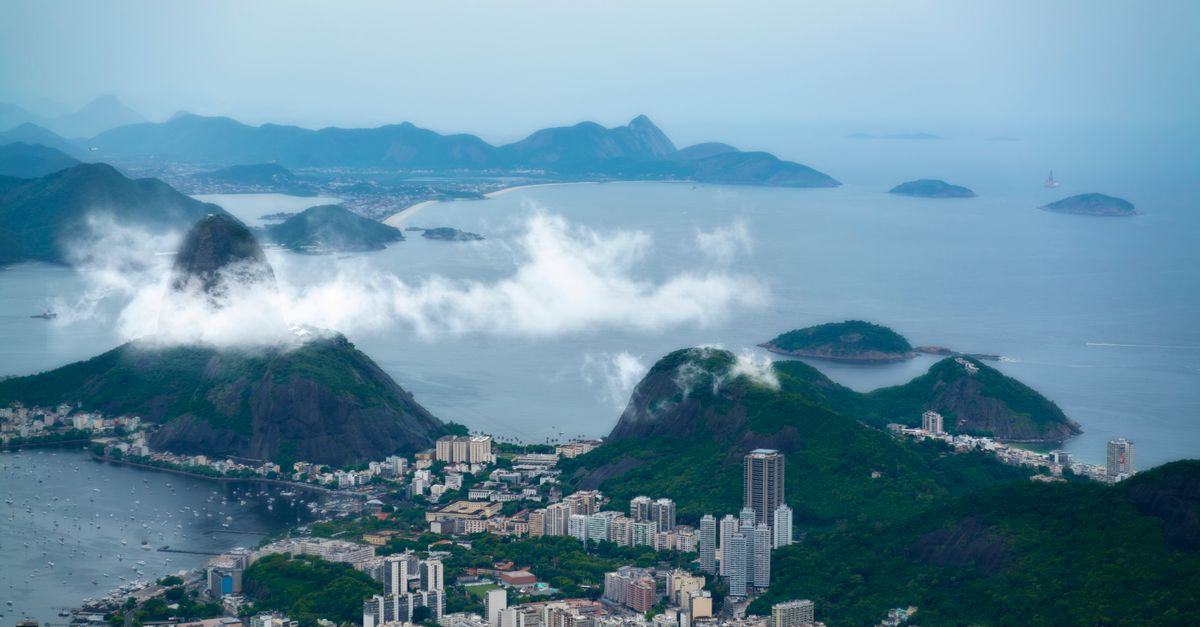
Brazil isn't just a destination; it's a full-body experience that hits all your senses at once. The music pulses through the streets, the food explodes with flavor, and the people embrace life with an infectious energy that's impossible to resist.
Your dollar goes surprisingly far here, especially outside the main tourist zones. While Rio and São Paulo can feel pricey, venture to places like Salvador, Recife, or the Amazon towns, and you'll find meals for $3-5 and accommodations that won't break the bank. The country's sheer size means you can experience tropical beaches, dense rainforest, colonial cities, and modern metropolises all in one trip.
The cultural diversity is staggering. Brazil absorbed influences from Portuguese colonizers, African slaves, indigenous peoples, and waves of immigrants from Japan, Italy, and Germany. This melting pot created a unique culture where you might eat Japanese-Brazilian fusion for lunch, dance forró (a northeastern folk dance) at night, and wake up to the sound of samba drums.
Plus, Brazilians are genuinely welcoming. Even with limited Portuguese, you'll find locals eager to help, share recommendations, and include you in their festivities. The concept of 'jeitinho brasileiro' means there's always a creative solution to any problem — and as a traveler, you'll benefit from this resourceful, optimistic mindset.
Top 10 Things to Do in Brazil

1. Watch the sunrise from Christ the Redeemer in Rio - Skip the crowded afternoon tours and catch the first train up Corcovado Mountain. The early morning light hitting the city below is pure magic, and you'll have the iconic statue mostly to yourself.
2. Learn to surf in Florianópolis - This island city has over 40 beaches, and surf lessons cost around $20. The southern beaches like Joaquina are perfect for beginners, while experienced surfers should hit Praia Mole.
3. Explore the Amazon from Manaus - Book a 3-day jungle tour for around $100-150 per person. You'll sleep in hammocks, spot pink dolphins, and learn about medicinal plants from local guides.
4. Dance the night away in Salvador's Pelourinho - This UNESCO World Heritage colonial district comes alive after dark. Free live music spills from every doorway, and the cobblestone streets become an impromptu dance floor.
5. Take a favela tour in Rio - Responsible tour companies like Favela Tour ($25) provide insight into these vibrant communities while directly benefiting residents through employment and donations.
6. Snorkel in Fernando de Noronha - This protected archipelago offers some of the world's clearest waters. Day trips from Recife cost around $200, but the marine life and pristine beaches are unforgettable.
7. Experience Carnival in Rio or Salvador - If you're visiting during Carnival season (February/March), join a bloco (street party) for free, or buy tickets to the Sambadrome for $30-100 depending on seating.
8. Hike in Chapada Diamantina National Park - Base yourself in the charming town of Lençóis and explore waterfalls, caves, and table mountains. Guided day hikes cost $30-50 per person.
9. Relax on Jericoacoara's sand dunes - This laid-back beach town is famous for its massive dunes and consistent winds. Rent a buggy for $40 to explore the surrounding lagoons and beaches.
10. Sample street food in São Paulo - The city's diverse neighborhoods offer incredible eats. Try pastel (fried pastry) for $1, açaí bowls for $3, and Japanese-Brazilian fusion in Liberdade district.
Brazil on a Budget

Brazil can absolutely be done on a shoestring budget, especially if you're willing to embrace local ways of living and eating. Here's how to make your reais stretch:
Accommodation: Hostels range from $8-15 per night in most cities, with private rooms available for $20-35. In smaller towns, you might find basic pousadas (guesthouses) for as little as $10-15 per night. Use apps like Hostelworld or check local Facebook groups for last-minute deals.
Food: Skip tourist restaurants and eat where locals do. A generous plate of rice, beans, meat, and salad at a por quilo (pay-by-weight) restaurant costs $3-5. Street food is even cheaper — try coxinha (fried chicken croquette) for $0.50, pão de açúcar (cheese bread) for $0.30, or fresh coconut water for $1.
Transportation: City buses cost $0.50-1 in most places. For longer distances, overnight buses are your friend — a 12-hour ride from Rio to Salvador costs around $25-35, saving you a night's accommodation.
Activities: Many of Brazil's best experiences are free or cheap. Beach time costs nothing, hiking trails are usually free, and cities often have free walking tours (tip-based). Museums typically charge $2-5, and many offer free admission on certain days.
Money-saving tips:
- Cook in hostel kitchens when possible
- Buy alcohol at supermarkets, not bars (beer costs $0.70 vs $3)
- Use WhatsApp for free international communication
- Negotiate prices for tours, especially in groups
- Travel during shoulder season (April-June, August-November) for better prices
Brazil for Couples

Brazil practically oozes romance, from sunset strolls along endless beaches to intimate dinners overlooking colonial squares. The country offers perfect settings for couples at every budget level.
Romantic destinations: Búzios, about two hours from Rio, feels like a Brazilian Saint-Tropez with its charming cobblestone streets and secluded beaches. Paraty, with its colonial architecture and boat trips to pristine islands, creates an intimate escape. For something more adventurous, couples love the dramatic landscapes of Chapada dos Veadeiros, where you can hike to waterfalls and stargaze from your pousada.
Budget-friendly romantic activities: Watch the sunset from Ipanema Beach with a shared caipirinha ($3-4 total). Take a free walking tour through Salvador's colorful Pelourinho district, then find a quiet spot for dinner at a local restaurant ($15-20 for two). Book a couple's surf lesson in Florianópolis ($35 for both).
Splurge moments: Treat yourselves to a dinner at a churrascaria (Brazilian steakhouse) for $25-35 per person, or book a private boat tour around Rio's beaches and islands ($80-120 for the boat). A sunset helicopter ride over Rio costs around $100 per person but creates unforgettable memories.
Accommodation: Look for pousadas with romantic touches like hammocks, ocean views, or colonial charm. Many offer special packages for couples, including breakfast and welcome caipirinhas.
Brazil for Families
Brazil's family-friendly culture makes traveling with kids a joy. Brazilians adore children, and you'll find warm welcomes everywhere you go.
Kid-friendly destinations: Rio offers beaches, cable cars up Sugar Loaf Mountain, and the fascinating Science Museum. São Paulo has excellent parks, the interactive Catavento Museum, and the massive Ibirapuera Park perfect for picnics. Beach towns like Florianópolis provide safe swimming, surf lessons for older kids, and plenty of space to run around.
Family activities: Beach days are obvious winners — rent umbrellas and chairs for $5-10 per day. Many beaches have playgrounds and kids' activities. The Pantanal wetlands offer incredible wildlife viewing that captivates children. City parks often have free outdoor gyms, playgrounds, and space for soccer games.
Practical tips: Brazilian restaurants are very accommodating to families. Most serve large portions perfect for sharing, and staff are patient with children. Public transportation can be crowded, so consider ride-sharing apps for comfort. Pack snacks and water, as kids get hungry frequently in the heat.
Safety considerations: Stick to well-touristed areas, especially in larger cities. Beach safety is important — strong currents exist at some locations, so always swim near lifeguard stations. Keep copies of important documents, and ensure kids know basic Portuguese phrases or have contact information written down.
Solo Travel in Brazil
Solo travel in Brazil requires street smarts but rewards you with incredible experiences and easy connections with locals. The social culture means you'll rarely feel alone for long.
Best solo destinations: Salvador and Recife offer rich culture with manageable sizes for solo exploration. Florianópolis combines safety with great social scenes. Smaller towns like Paraty and Ouro Preto provide intimate experiences where locals quickly recognize and welcome solo travelers.
Meeting people: Stay in social hostels where common areas encourage interaction. Join free walking tours — you'll meet other travelers and get oriented quickly. Beaches are natural social spaces; don't hesitate to join volleyball games or ask about surf conditions. Language exchange meetups in larger cities connect you with English-speaking locals.
Safety tips: Trust your instincts and avoid displaying expensive items. Use ride-sharing apps rather than hailing taxis on the street. Keep emergency contacts handy and share your itinerary with someone back home. Learn basic Portuguese phrases — even simple attempts at the language earn goodwill.
Solo-friendly activities: Food tours let you explore safely while learning about local cuisine. Group day trips to attractions like Sugarloaf or Christ the Redeemer provide built-in social opportunities. Beach towns offer surf lessons, capoeira classes, and other group activities perfect for solo travelers.
Where to Stay in Brazil

Rio de Janeiro: Copacabana offers classic beach vibes with easy metro access, though it can feel touristy. Ipanema provides a more upscale beach experience. For budget travelers, Santa Teresa's hills offer cheaper accommodations with artistic flair, though it's less convenient for beaches. Hostels in Copacabana run $12-18, while Ipanema ranges $15-25.
São Paulo: Vila Madalena buzzes with nightlife and street art — perfect for younger travelers. Hostels here cost $10-15. The historic center provides budget options ($8-12) with easy access to attractions, though it empties out at night. Jardins offers upscale accommodations if you're splurging.
Salvador: Pelourinho's colonial charm comes with tourist prices ($15-20 for hostels). Barra offers beach access and slightly lower costs ($10-15). Rio Vermelho provides a local neighborhood feel with good restaurant options.
Florianópolis: Lagoa da Conceição sits centrally with access to multiple beaches and active nightlife. Budget accommodations run $8-15. Beach neighborhoods like Joaquina offer direct beach access but limited dining options.
Amazon region: In Manaus, stay near the historic center for easy access to tour operators and restaurants. Jungle lodges range from $30-100 per person per day, usually including meals and activities.
Getting Around Brazil
Brazil's size makes transportation planning crucial. Domestic flights connect major cities quickly but eat into budgets. Overnight buses offer economical alternatives while saving accommodation costs.
Flights: GOL and Azul offer competitive domestic routes. Book in advance for better prices — Rio to São Paulo costs $50-150 depending on timing. Manaus to other cities requires flights due to limited road access.
Buses: Comfortable and extensive network connects virtually everywhere. Executive class provides reclining seats and meals for 20-30% more than regular fares. Rio to São Paulo takes 6 hours and costs $15-25. Overnight routes to Salvador or Florianópolis run $25-40.
Local transportation: Metro systems in Rio, São Paulo, and Brasília are efficient and cheap ($0.80-1.20 per ride). City buses cost $0.50-1 but can be confusing for tourists. Uber and 99 (local ride-sharing) provide convenient alternatives at reasonable prices.
Rental cars: Useful for exploring regions like the Pantanal or coastal roads, but challenging in major cities due to traffic and parking. Expect $25-40 per day plus gas and tolls.
Best Time to Visit Brazil
Brazil's size means different regions have varying weather patterns, but generally, the country experiences opposite seasons to North America and Europe.
Summer (December-March): Hot and humid with frequent afternoon rains. This is peak season for beaches and Carnival, meaning higher prices and crowds. Temperatures reach 85-95°F (29-35°C) in most areas.
Fall (April-June): Excellent travel time with fewer crowds and moderate temperatures. Rain decreases, making it ideal for outdoor activities. Prices drop significantly after Easter.
Winter (July-September): Dry season in most regions with comfortable temperatures (70-80°F/21-27°C). Perfect for exploring cities and the Pantanal wildlife viewing. Beach areas remain warm enough for swimming.
Spring (October-November): Another sweet spot with warming temperatures and minimal rain. Great for all activities before summer crowds arrive.
Regional variations: The Amazon stays hot and humid year-round with distinct wet (December-May) and dry (June-November) seasons. The Northeast enjoys consistent warm weather with minimal seasonal variation. Southern Brazil experiences more pronounced seasons with cooler winters.
Quick Facts
Currency: Brazilian Real (BRL). $1 USD ≈ 5-6 BRL (fluctuates)
Language: Portuguese (not Spanish!). English is limited outside tourist areas.
Visa: Most visitors get 90-day tourist visas on arrival. US citizens need to apply in advance.
Power: 110V/220V with various plug types. Bring a universal adapter.
Tipping: 10% service charge often included in restaurant bills. Round up taxi fares and tip tour guides $2-5.
Health: No required vaccinations for most areas. Yellow fever recommended for Amazon travel. Zika and dengue exist in some regions.
Safety: Exercise normal precautions. Avoid displaying valuables, stick to well-lit areas at night, and use ride-sharing apps.
Internet: Widely available WiFi in hostels, restaurants, and public spaces. Local SIM cards cost $10-15.
Climate: Tropical to temperate depending on region. Pack light, breathable clothing and rain gear.
Brazil isn't just a destination — it's a revelation. Every day brings new flavors, sounds, and experiences that challenge your expectations and expand your worldview. Whether you're dancing until dawn in Salvador, spotting jaguars in the Pantanal, or simply sharing caipirinhas with new friends on a Rio beach, Brazil has a way of getting under your skin and into your heart.
The beauty of Brazil lies not just in its stunning landscapes or vibrant culture, but in its accessibility to travelers of all budgets. That $15 day of beachfront dining, samba lessons, and sunset cocktails isn't a one-time lucky break — it's Tuesday in Brazil.
So pack your sense of adventure, brush up on a few Portuguese phrases, and prepare for a country that will challenge, inspire, and absolutely enchant you. Brazil is waiting, and trust us — once you experience that jeitinho brasileiro magic, you'll be planning your return trip before you even leave.
Want the quick version? Watch our Brazil travel Short on YouTube for a 30-second overview!